Volatile nitrosamines appear in a wide range of products and materials. Understanding how to measure them at low levels is important for pharmaceutical testing, raw material checks, and investigations into contamination.
Understanding Volatile Nitrosamines
Volatile nitrosamines can form in raw materials, intermediates, packaging, and finished products. Some originate from nitrite levels in excipients, while others form during processing or storage. Their behaviour in the GC inlet can also make detection difficult, as some break down before reaching the column.
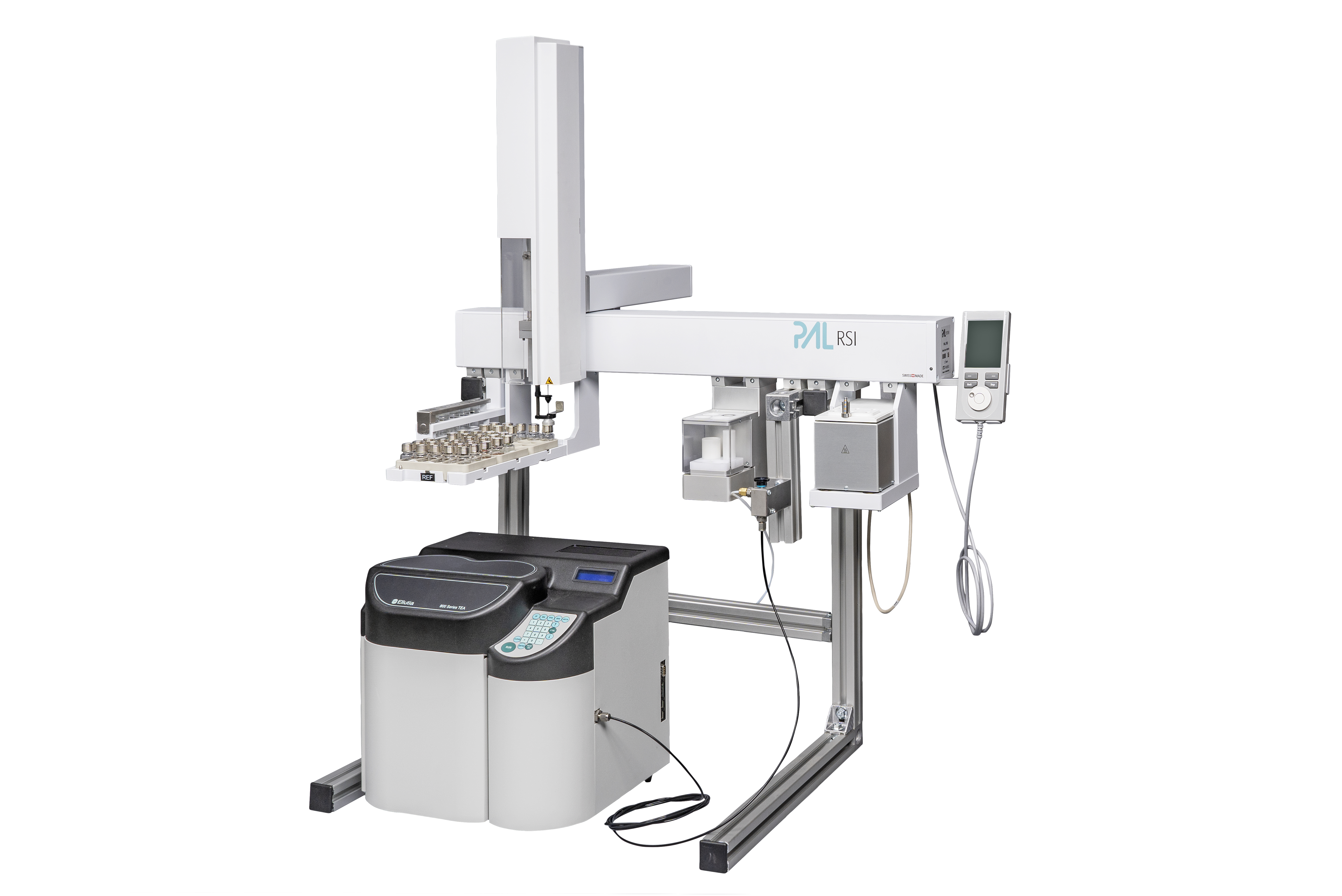
GC-TEA detects the NO molecule released from nitrosamines after pyrolysis. This helps identify both known and unexpected compounds, including early-eluting breakdown products that indicate the presence of additional nitrosamine structures.
The webinar below explains these formation routes, the challenges involved, and the methods used to measure volatile nitrosamines with GC-TEA.
Why this matters
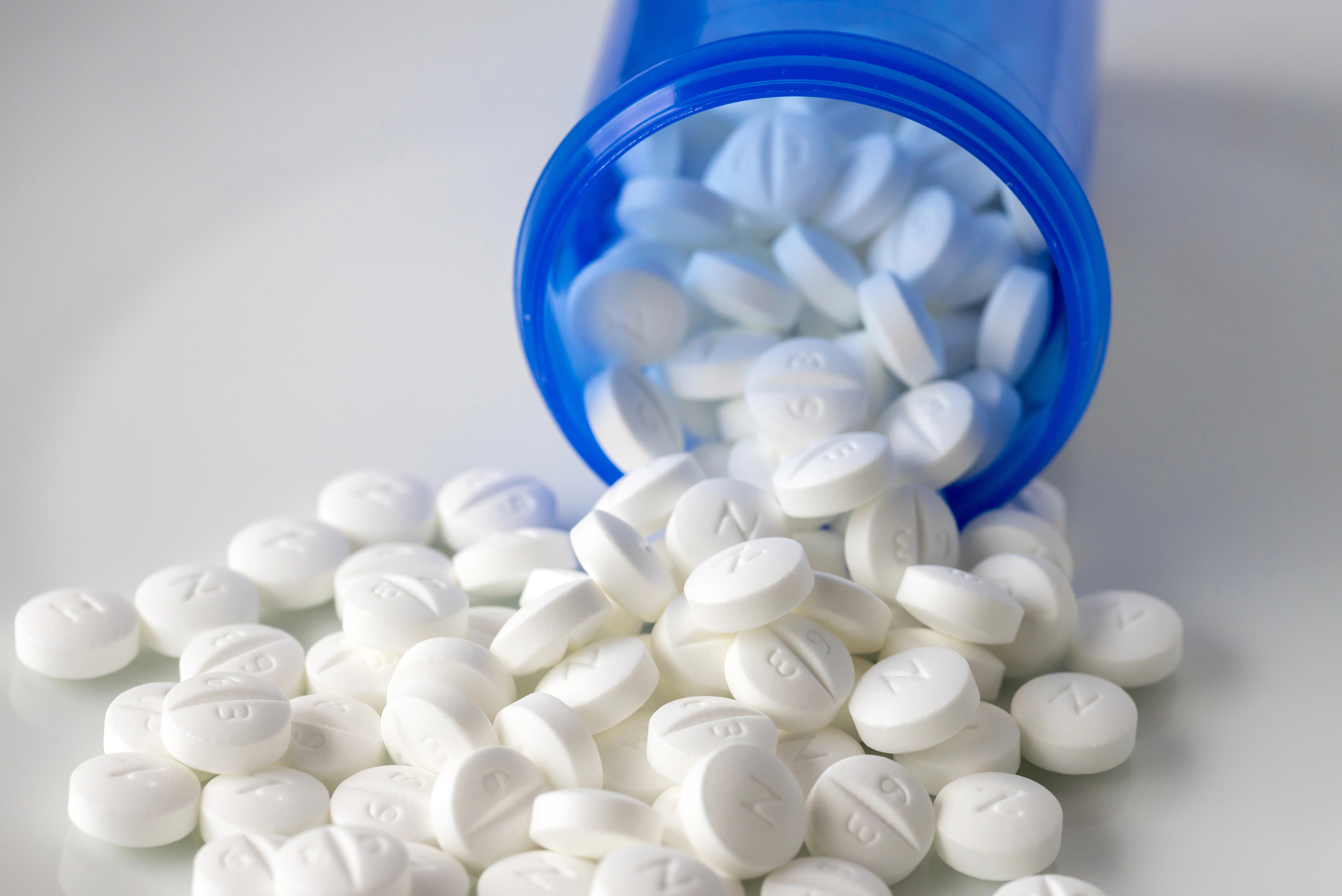
Volatile nitrosamines have been found in medicines such as ranitidine, metformin, and sartans. They can also appear in raw materials, packaging, personal care products, and industrial processes that involve amines. Detecting them at low levels is important for product release, stability studies, and ongoing compliance.
Late discovery of a volatile nitrosamine can delay production or require batches to be discarded. GC-TEA provides a way to identify these compounds with a selective NO response, even when the structure is unstable or not represented by a standard. This helps clarify whether the issue comes from ingredients, formulation steps, or storage conditions.
Understanding how GC-TEA works and what it reveals helps teams decide where to test, how to interpret early-eluting peaks, and when further analysis is needed.
GC-TEA detects the NO molecule directly, giving a selective response for nitrosamines. This avoids many of the interferences seen in other methods and helps identify breakdown products that indicate additional nitrosamines.
Certain structures are unstable under heat. They release NO before reaching the column, which causes early-eluting peaks. These peaks can still confirm that a nitrosamine is present, even if the exact structure is not yet known.
GC-TEA is used when speciated analysis is required. For example, when identifying which nitrosamines are present or when measuring individual concentrations for compliance.
Talk to us about your testing requirements
If you want to discuss nitrosamine testing, screening workflows, or how these methods apply to your products or materials, our team can help.