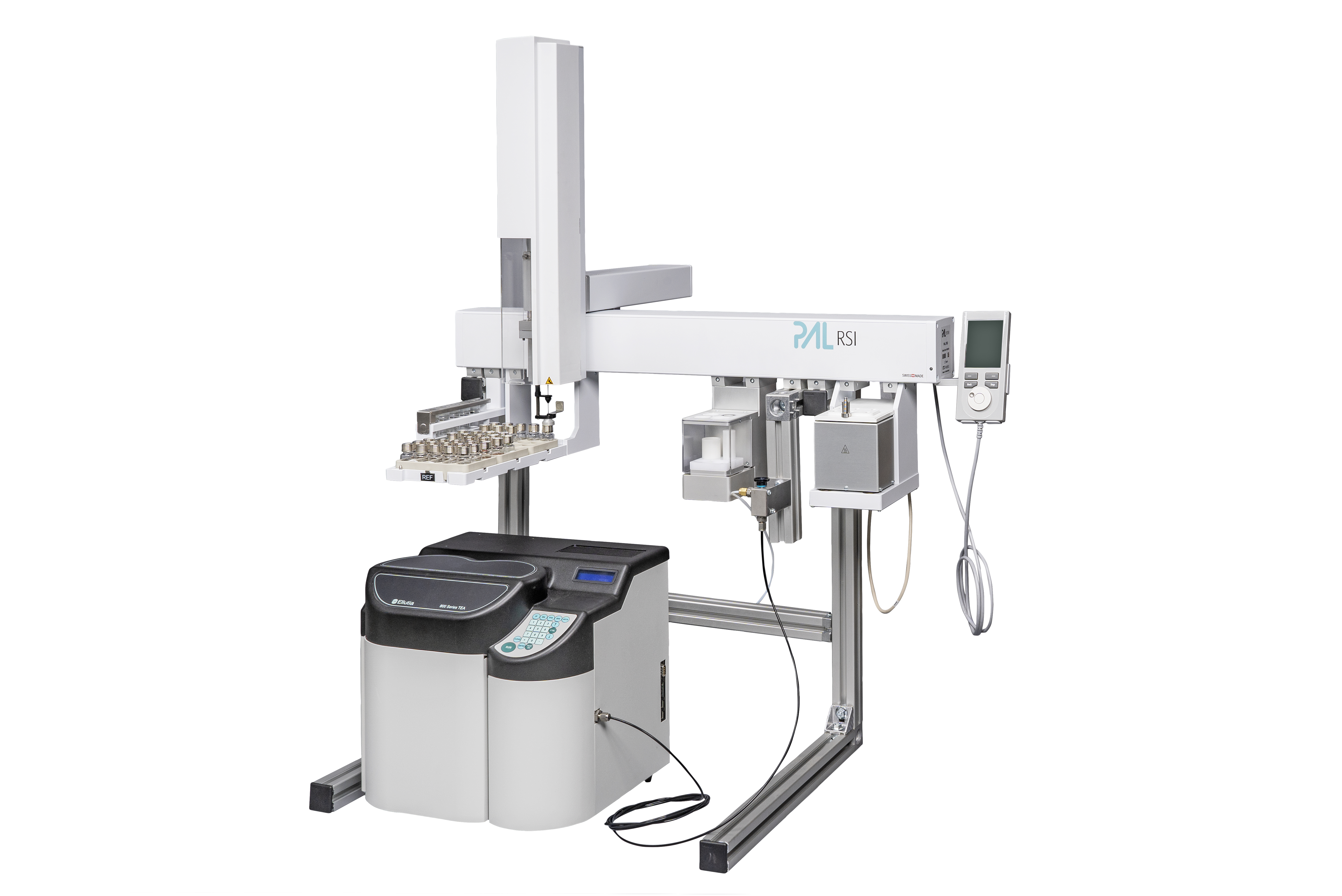
Nitrosamines can form at different stages of production, and understanding their sources is important for managing risk. The ATNA measures nitrites, nitrates, and nitrosamines through an NO-based reaction, providing a way to assess samples early in the workflow.
Understanding the ATNA Approach
The ATNA uses a controlled chemical reaction to liberate NO, which is then detected by the TEA. This gives a direct molar response for the NO present and allows rapid measurement of the combined contribution from nitrites, nitrates, and nitrosamines in a sample.
This type of analysis is useful when raw materials or finished products may contain nitrosating agents, or when storage conditions increase the chance of nitrosamine formation. A high result signals the need for speciated testing to determine which compounds are present.
The webinar below explains how the ATNA workflow operates, why nitrate sensitivity differs, and where this method fits within a wider nitrosamine testing strategy.
Why this matters
Nitrosamine contamination has affected several product categories, including pharmaceuticals and cosmetics. Nitrite levels in excipients, water, solvents, and packaging can create conditions for nitrosamine formation. If formation is only identified at the end of production, batches may need to be held, reworked, or discarded.
The ATNA provides a way to review samples earlier. It shows whether nitrites, nitrates, or nitrosamines are present at levels that may lead to problems. This helps teams focus speciated analysis on the right samples and build a clearer picture of when and where formation is occurring.
The method is useful for incoming QC of excipients, screening solvents and water, checking intermediates, and assessing finished products before further testing. It helps reduce the chance of late-stage failures and gives a practical starting point for risk assessment.
During incoming QC, solvent checks, excipient screening, intermediate stages, and finished product assessment, especially when early identification of nitrosating agents is important.
No. ATNA highlights samples that require further analysis. Speciated methods, such as GC-TEA or LC-MS/MS, identify and quantify individual nitrosamines.
Talk to us about your testing requirements
If you want to discuss nitrosamine testing, screening workflows, or how these methods apply to your products or materials, our team can help.