Unexpected nitrosamines can appear in materials, ingredients, solvents, and packaging. This webinar explains the formation routes, the detection challenges, and the methods used to identify these compounds in real testing workflows.
Understanding unexpected nitrosamines
Unexpected nitrosamines can appear in raw materials, excipients, solvents, packaging, and finished products. Knowing how they form helps identify where risks may be introduced during manufacturing or storage.
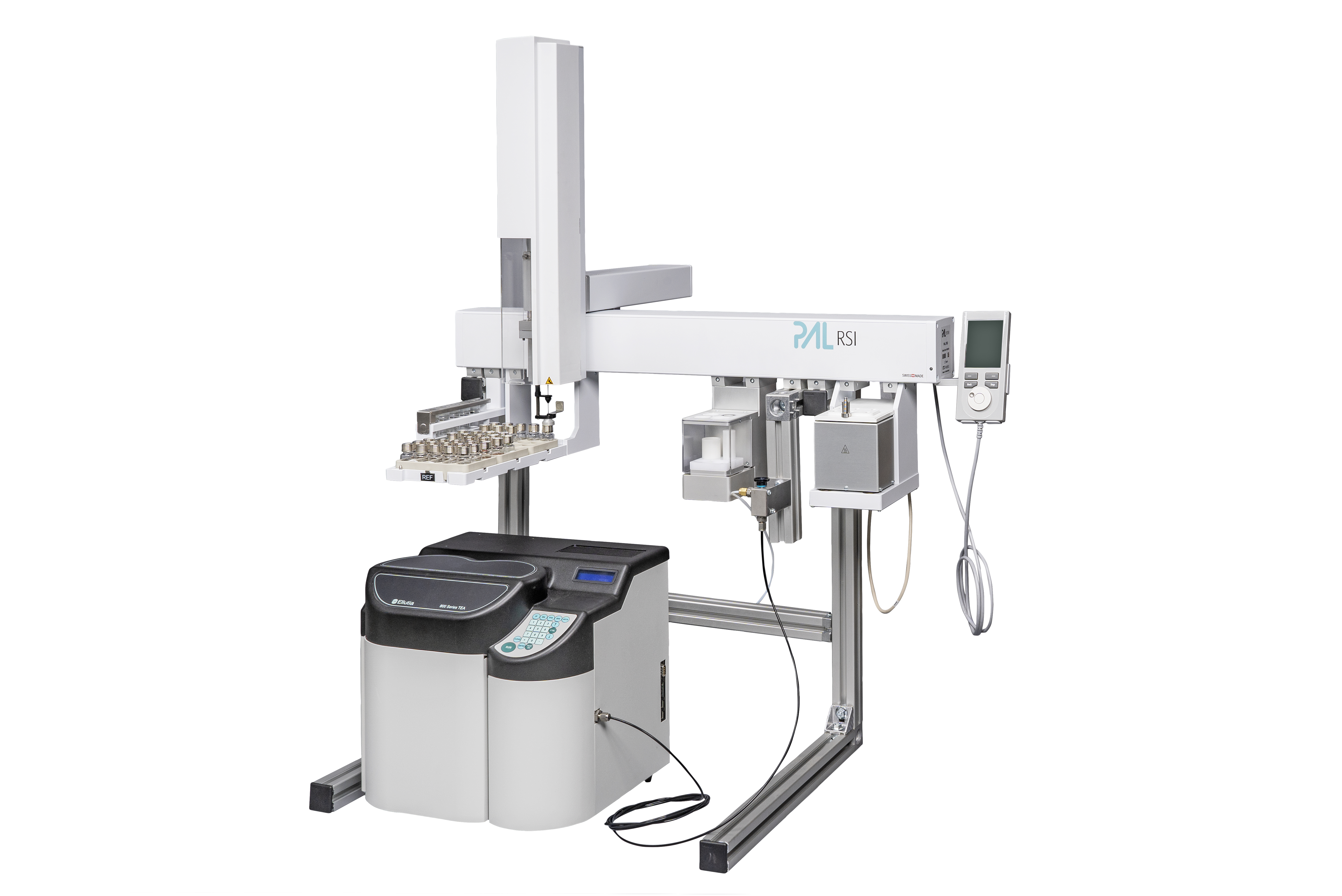
Secondary amines, nitrosating agents, process conditions, and interactions with packaging can all contribute to formation. When an unknown structure is present, targeted methods may miss it. Screening highlights samples that need further investigation, and speciated analysis can confirm what is present.
The webinar below explains these formation routes, the challenges involved, and the approaches used to identify potential issues early.
Why this matters
Unexpected nitrosamines can appear at different stages of production. They may form in raw materials, during processing, or while products are stored. Even small amounts of nitrite or other nitrosating agents can lead to formation later, which means early stages of manufacturing may look fine while problems develop over time.
If these compounds are only found at the end of production, the impact can be significant. Batches may need to be held back, reworked, or discarded. This affects timelines, costs, and stock availability. Identifying issues earlier reduces the chance of last-minute failures and gives a clearer picture of where the problem originates.
Screening incoming materials, intermediates, and finished products helps highlight samples that need detailed analysis. This allows testing efforts to be focused where they are most needed and helps teams decide whether an issue is linked to ingredients, process steps, or storage conditions.
Understanding how nitrosamines form and how they can be detected gives manufacturers a clearer path to managing these risks across their workflow.
They can form when secondary amines interact with nitrosating agents such as nitrite or nitrate. Heat, pH, storage conditions, and packaging can also create conditions for formation. Even compliant raw materials can generate nitrosamines later if nitrite levels are high enough.
Unknown structures may not match the standards used in targeted analytical methods. Some nitrosamines also break down in GC inlets or during sample preparation. Screening helps indicate when a nitrosamine is present, even if the exact structure is not yet known.
Screening highlights samples that need further investigation. This helps focus detailed testing on the samples that matter, rather than running full methods on every sample or raw material.
Incoming materials, excipients, solvents, packaging components, intermediates, and finished products. Using screening at these points helps identify where formation may be starting.
Talk to us about your testing requirements
If you want to discuss nitrosamine testing, screening workflows, or how these methods apply to your products or materials, our team can help.